02, July 2026
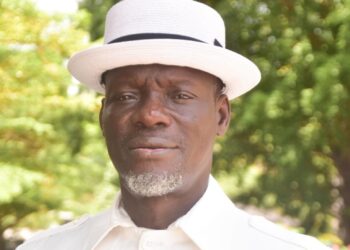
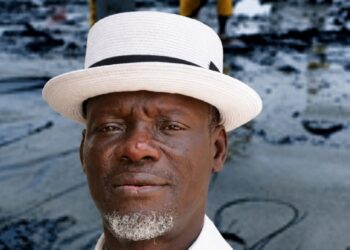
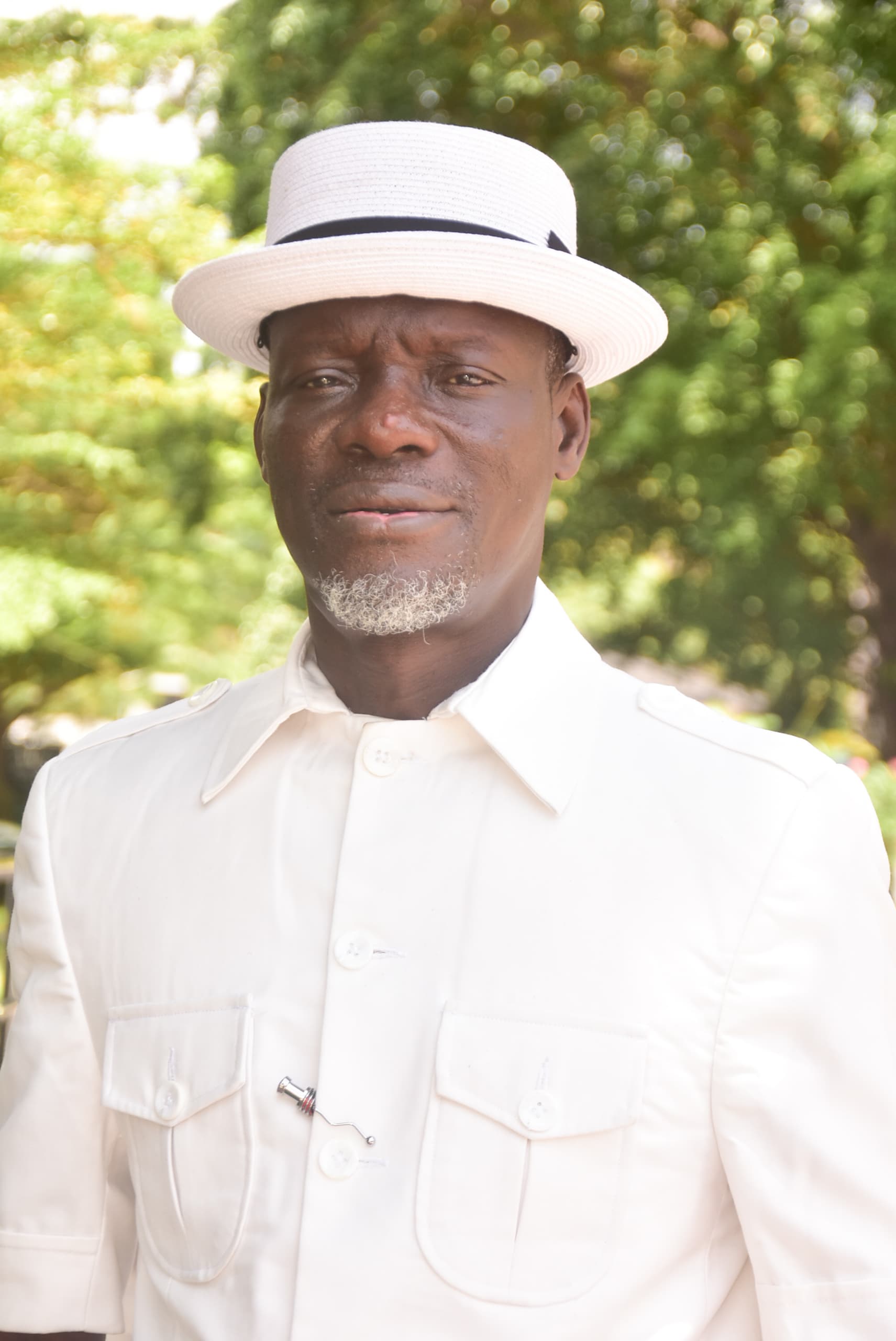
A Delta State-born environmental and peace advocate, Chief Mulade Sheriff has issued a strong warning over what he calls a looming environmental catastrophe in Delta State.
He is urging Governor Rt. Hon. Sheriff Oborevwori to act fast and decisively to protect people, roads, bridges, and other critical infrastructure from the worsening impact of environmental degradation.
Chief Mulade said he is deeply worried about the rising number of dredging activities happening in different parts of Delta State.
His concern is that many of these operations are going on without proper regard for their long-term damage to the environment.
According to him, several dredging sites are sitting dangerously close to major highways, roads, and bridges.
He fears that continuous excavation in those areas will weaken the soil that holds these structures in place.
If that happens, it could lead to road collapses, bridge failure, and expose nearby communities to disasters that could have been avoided.
He made it clear that dredging itself is not the problem. It is an important economic activity.
The issue, he said, is operators ignoring environmental laws and international best practices. _“Development should not cost us public safety,”_ he stressed.
Quoting him directly:
> _“The state government cannot continue to overlook the environmental implications of indiscriminate dredging alongside major infrastructure. It is a serious threat. Roads and bridges are strategic assets that serve millions of people daily. If the integrity of these structures is compromised, the consequences could be catastrophic.”_
Mulade is calling on the Delta State Government, especially the Ministry of Environment and other regulatory bodies, to step up monitoring and enforcement at all dredging sites without delay.
He also said climate resilience can no longer be just talk on paper. Delta needs practical steps now to protect vulnerable communities from flooding, erosion, land degradation, and infrastructure collapse.
.
He noted that climate change is already making floods more frequent and more severe across the state, so government must shift from waiting for emergencies to preventing them.
The advocate wants the government to carry out full environmental and engineering risk assessments around all existing and proposed dredging sites.
The goal is to know exactly how these sites could affect roads, bridges, waterways, and the communities around them.
He also recommended regular geotechnical investigations and Environmental Impact Assessments, EIAs.
He explained that these studies will help the government spot weak or dangerous areas early, before they turn into full-blown disasters.
“The cost of prevention is always far lower than the cost of reconstruction if infrastructure collapses. Government must act before lives and properties are endangered,”_ he stated.
The Delta born Environmentalist also pushed for the creation of community-based flood volunteer networks across Delta. His reason: local residents are usually the first to notice rising water levels, erosion, and blocked drainages. If these volunteers are trained and equipped, they can boost early warning systems, improve emergency response, and help government agencies work better with communities during heavy rains and floods.
He further challenged the government to focus more on building and maintaining functional drainage system for both urban and rural areas.
He said sustainable flood control must be based on real infrastructure and scientific planning, not _“politically motivated patronage disguised as climate-related interventions.”_ he pointed out.
“Government should invest more in functional drainage networks, proper water channels and sustainable flood control infrastructure instead of politically patronising climate flood negotiators whose activities do little to address the root causes of environmental challenges,” he said.
The Environmentalist appealed to ministries, environmental agencies, local government councils, and traditional rulers to work together.
He wants stricter regulation of dredging, more public awareness campaigns, and constant monitoring of environmentally sensitive zones.
He warned that if government fails to act quickly, many communities will face severe flooding, erosion, infrastructure failures, and huge economic losses.
He added that Delta State has abundant natural resources but they must be used responsibly.
The focus, he said, should be on preventive environmental governance rather than waiting to fix problems after they happen.
Despite the warning, Mulade expressed optimism. He believes that with strong leadership, effective regulation, and active involvement of communities, Delta State can control these emerging environmental threats and still achieve sustainable development for today and for future generations.